
Top 10 Must Visit Places During Bhutan Tour
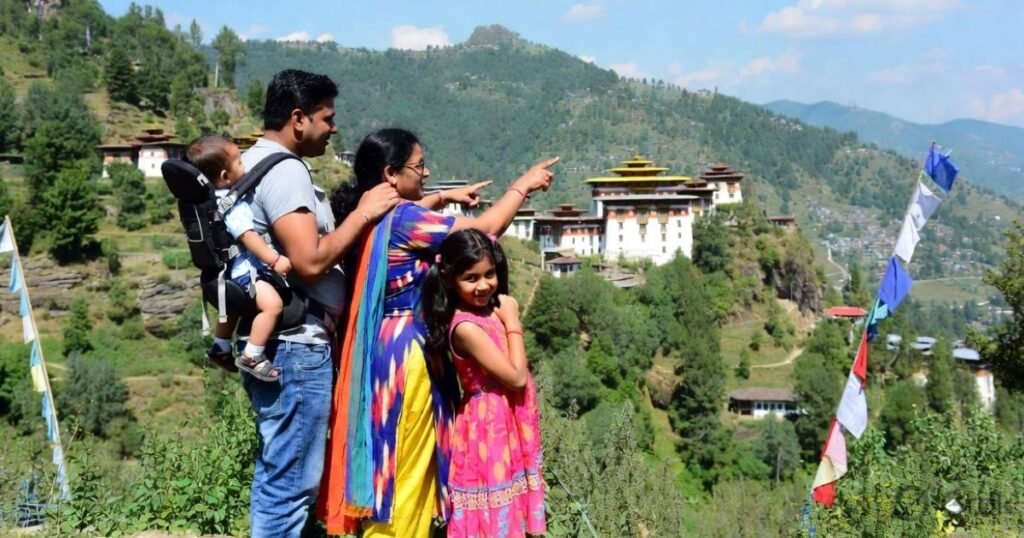
Book Your Bhutan Tour Package- Bhutan- +97 51739 1186 | India – +91 96794 16473 Bhutan is not just a destination; it is an experience shaped by Himalayan landscapes, ancient monasteries, deep spirituality, and one of the world’s most carefully protected tourism models. The best bhutan travel agency can turn that experience from a simple holiday into a life-changing journey by helping travelers discover the country’s hidden rhythm, cultural etiquette, and lesser-known gems. From the iconic Tiger’s Nest to pristine valleys and sacred fortresses, Bhutan offers a rare kind of travel that still feels exclusive in 2026 because the kingdom continues to focus on “high value, low volume” tourism supported by its Sustainable Development Fee system. The best bhutan travel agency helps travelers understand that Bhutan is not about rushing through attractions, but about seeing the right places at the right pace with the right local guidance, especially since Bhutan’s official tourism channels continue to emphasize guided, meaningful travel and responsible exploration. Top 10 Must Visit Places During Bhutan Tour If you are planning your dream Himalayan holiday, choosing the right destinations inside Bhutan matters just as much as choosing the right itinerary, season, and travel partner. The best bhutan travel agency will always tell you that Bhutan rewards travelers who mix famous landmarks with cultural towns, mountain passes, hidden valleys, and authentic village experiences. Bhutan remains one of South Asia’s most distinctive tourism destinations, with Paro serving as the country’s only international airport and the main gateway for most foreign travelers, while Drukair and Bhutan Airlines connect Bhutan to cities such as Delhi, Kolkata, Bagdogra, Guwahati, Bangkok, Kathmandu, Dhaka, and Singapore. The best bhutan travel agency can make route planning far easier, especially for travelers researching How to Reach Bhutan, because flight timing, permits, altitude pacing, and festival dates can strongly influence which of Bhutan’s top places should come first on your itinerary. 1. Paro Taktsang (Tiger’s Nest Monastery) – Bhutan’s most iconic spiritual landmark and the single most photographed monastery in the kingdom. 2. Paro Valley – Home to the international airport, scenic farmhouses, temples, museums, and the perfect first stop for acclimatization. 3. Thimphu – The capital city where tradition and modern Bhutan meet through monasteries, museums, markets, and cultural institutions. 4. Punakha Dzong & Punakha Valley – A postcard-perfect blend of rivers, suspension bridges, rice fields, and Bhutan’s most stunning dzong. 5. Dochula Pass – A majestic mountain pass known for 108 chortens and breathtaking Himalayan panoramas on clear days. 6. Phobjikha Valley – A glacial valley famous for black-necked cranes, eco-tourism, and peaceful nature escapes. 7. Bumthang Valley – Bhutan’s spiritual heartland, rich with ancient temples, legends, and rural beauty. 8. Haa Valley – A less crowded, deeply authentic valley ideal for offbeat cultural immersion and scenic road journeys. 9. Trongsa Dzong – A dramatic fortress with historical significance that connects western and central Bhutan. 10. Royal Manas Region / Zhemgang Side Adventures – For wildlife lovers, birders, and travelers who want a different Bhutan beyond the classic circuit. 1) Paro Taktsang (Tiger’s Nest Monastery): The Soul of Every Bhutan Tour No list of the top 10 must visit places during a Bhutan tour can begin anywhere else because Tiger’s Nest is the spiritual symbol of Bhutan and the image that inspires travelers worldwide. The best bhutan travel agency knows that the hike to Paro Taktsang is not just a sightseeing stop but a transformative experience, especially when timed early in the morning for clear mountain light, fewer crowds, and a calmer spiritual atmosphere. Perched dramatically on a cliff about 900 meters above the Paro Valley floor, Tiger’s Nest is one of the world’s most extraordinary monastery settings. It is associated with Guru Rinpoche, who is believed to have arrived here in the 8th century on the back of a tigress, making it a sacred pilgrimage site. Most travelers need 4–6 hours round trip depending on pace, weather, and acclimatization. Spring and autumn are generally ideal for the hike, which ties directly into the question of Best Time To Visit Bhutan. The monastery offers not just views, but insight into Bhutan’s living Buddhist heritage. Travelers who start in Paro often benefit from resting a day before the hike due to altitude and mountain terrain. Many first-time visitors underestimate the importance of pacing this hike properly, which is why itinerary design matters. The best bhutan travel agency will often schedule Tiger’s Nest after a gentle first day in Paro, helping travelers avoid exhaustion and enjoy the climb with enough time for photography, tea stops, and mindful exploration rather than treating it like a rushed checklist item. 2) Paro Valley: The Perfect Gateway to Bhutan Paro is much more than an airport town, and in fact it is one of the most charming valleys in Bhutan with a blend of heritage, open landscapes, and calm village life. The best bhutan travel agency typically recommends spending at least two nights here because Paro is where many travelers first understand why Bhutan feels so different from the rest of the Himalayas. Paro International Airport is Bhutan’s only international airport, and its dramatic mountain approach is famous among aviation enthusiasts because landing here requires highly trained pilots navigating a narrow valley approach. The best bhutan travel agency uses this to your advantage by designing a gentle arrival day in Paro, especially for families, seniors, and luxury travelers who want a soft landing before moving into the more active parts of their Bhutan circuit. Visit Rinpung Dzong, one of Bhutan’s most impressive fortress-monasteries. Explore the National Museum of Bhutan for cultural, historical, and religious context. Walk through traditional village lanes and farmhouses for a quieter, local experience. Shop for handicrafts, textiles, prayer items, and artisanal souvenirs. Use Paro as your base for Tiger’s Nest, Kyichu Lhakhang, and scenic day drives. Enjoy some of Bhutan’s most photogenic valley landscapes right from boutique hotels and homestays. Paro is also where many travelers first begin to understand Bhutan tour cost in 2026, because
Bhutan tour cost in 2026: GST in Bhutan and Its Impact on Tourism
Planning a trip to the Himalayan kingdom requires careful budgeting, especially with evolving policies. Bhutan tour cost in 2026 reflects a blend of premium experiences and sustainable practices that set it apart from mass tourism destinations. Travelers seeking authentic cultural immersion and breathtaking landscapes find that Bhutan tour cost in 2026 remains competitive within the luxury segment while supporting national development goals. Bhutan tour cost in 2026 incorporates modern tax reforms designed to enhance transparency across the hospitality and service sectors. As a trusted local operator, Teem Travel Bhutan helps clients navigate these changes for a seamless journey filled with unforgettable moments in Paro, Thimphu, Punakha, and beyond. GST in Bhutan and Its Impact on Tourism: 2026 Guide for Travelers Understanding the nuances of Bhutan’s evolving Bhutan tax system helps travelers make informed decisions when exploring this unique destination. Bhutan tour cost in 2026 includes the newly implemented Goods and Services Tax (GST), which brings greater clarity to billing for international visitors. With over 209,000 tourists arriving in 2025—a remarkable 44% increase from the previous year—Bhutan continues to attract discerning travelers who value quality over quantity. Bhutan tour cost in 2026 benefits from the country’s long-standing “High Value, Low Impact” philosophy, which prioritizes meaningful travel experiences while protecting its pristine environment and rich cultural heritage. This model has helped maintain forest cover at over 60% and positioned Bhutan as the world’s first carbon-negative country, facts that resonate deeply with eco-conscious luxury seekers. Bhutan GST 2026 applies a standard 5% rate to most goods and services, including hotels, transportation, tour guides, meals, and other travel-related components. GST impact on Bhutan tourism remains modest, typically adding 2-5% to base package expenses depending on the itinerary composition and services utilized. Bhutan SDF fee of USD 100 per person per night (for international tourists until August 2027) stays fully exempt from GST, preserving the core sustainability contribution. Transparent itemized billing under the new Bhutan tax system allows travelers to see exact breakdowns of base costs versus tax amounts when booking Bhutan tour packages. Bhutan tourism cost overall stays balanced as GST replaces certain previous sales taxes that were sometimes higher on specific items like accommodation. Professional operators like Teem Travel Bhutan ensure compliance and clear communication about how Bhutan GST 2026 affects individual itineraries. Bhutan tour cost in 2026 continues to support controlled tourist inflows that safeguard the kingdom’s unique identity. Many visitors appreciate how this approach fosters deeper connections with local communities and traditions. The introduction of Bhutan GST 2026 marks a step toward modernization without compromising the premium nature of travel experiences. Bhutan tour cost in 2026 reflects this careful evolution, where small adjustments enhance service standards while keeping the destination exclusive. Understanding Bhutan’s Unique Tourism Model and the Role of SDF Bhutan’s tourism framework emphasizes sustainability and cultural preservation above rapid expansion. Bhutan tour cost in 2026 aligns perfectly with this vision by funding initiatives that benefit both visitors and residents alike. In 2025, Sustainable Development Fee collections reached approximately USD 43.31 million, highlighting the significant economic contribution of mindful tourism. Bhutan tour cost in 2026 includes mandatory elements like the Bhutan SDF fee, which directly supports free healthcare, education, environmental conservation, and community projects across the kingdom. This fee structure ensures that every traveler contributes meaningfully to preserving the Land of the Thunder Dragon for future generations. Bhutan SDF fee remains a cornerstone of the high-value model, charged at USD 100 per night for most international adults (with discounts for children aged 6-12 and exemptions for those under 6). Bhutan luxury travel enthusiasts find value in how the SDF enables access to exclusive cultural sites, well-trained local guides, and high-quality accommodations without overtourism pressures. Pre-planned yet customizable Bhutan tour packages through licensed operators like Teem Travel Bhutan incorporate the Bhutan SDF fee transparently in overall quotes. The policy limits volume while encouraging higher per-visitor spending on authentic experiences, a strategy that has driven consistent growth in arrivals from non-Indian markets. Travel to Bhutan cost calculations always separate the exempt Bhutan SDF fee from taxable services, providing clarity under the new Bhutan GST 2026 regime. This balanced approach has helped tourism receipts grow steadily, with non-Indian visitors (who often opt for longer, more immersive trips) contributing a rising share of revenue. Bhutan tour cost in 2026 empowers travelers to participate in a system that values quality interactions over crowded attractions. Many return visitors note how the structured yet flexible model creates space for genuine cultural exchanges. Operators specializing in Bhutan travel guide 2026 insights, such as Teem Travel Bhutan, play a vital role in educating guests about these policies while delivering personalized service. How GST 2026 Influences Bhutan Tourism Costs and Traveler Experiences The rollout of Bhutan GST 2026 on January 1 introduces a uniform 5% tax on taxable supplies, replacing a more fragmented sales tax structure. Bhutan tour cost in 2026 sees a net impact that many experts describe as manageable, often ranging between 2% and 5% on ground services. This change promotes efficiency and professional standards across the industry. Bhutan tour cost in 2026 benefits from input tax credits available to registered businesses, which can help stabilize or even reduce certain component prices over time. Travelers planning Bhutan luxury travel appreciate the resulting improvements in service consistency and accountability. GST impact on Bhutan tourism primarily affects accommodation, local transport, guided tours, meals, and related services, while leaving the Bhutan SDF fee and visa fees untouched. Bhutan tourism cost transparency increases significantly, with operators now required to issue detailed tax invoices showing base amounts and GST separately. Some services previously subject to higher embedded taxes may become marginally more affordable, offsetting increases elsewhere in the package. Bhutan tax system modernization encourages better record-keeping and compliance, ultimately elevating overall tourism infrastructure and guest satisfaction. For Bhutan tour packages, the effective addition to total expenses remains modest because the GST applies only to the non-SDF portion of costs. Long-term, GST impact on Bhutan tourism is expected to support higher quality standards,